
Genar’s perspective
More than transferring assets
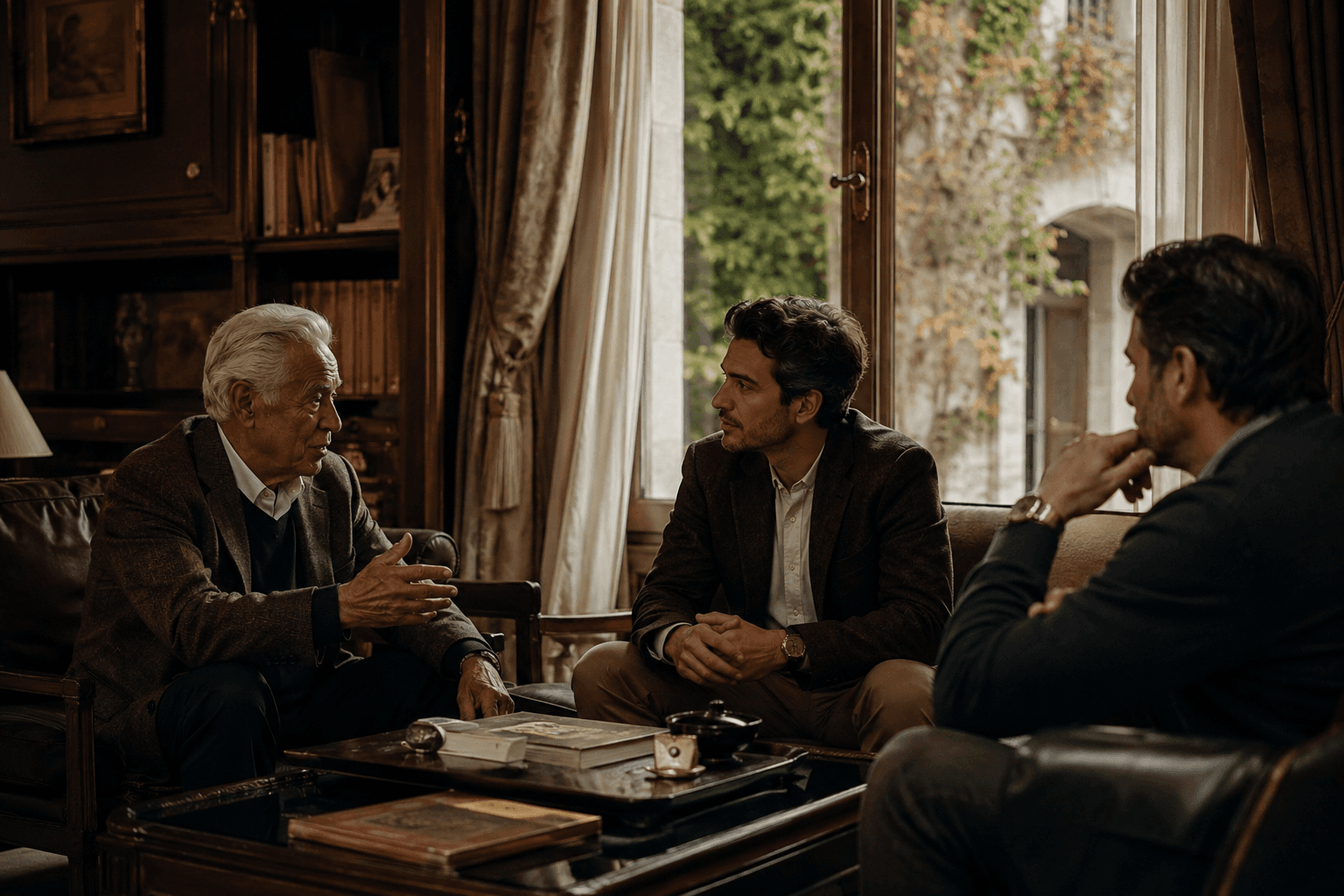
For years we have assumed that passing on assets secures a family’s future.
But what builds the future is not assets alone; it is the ability to create value.
In the eyes of many families:
- Wealth means security.
- Assets mean the future.
- And what should reach the next generation is the result of years of effort.
This view is natural, because most parents built their wealth not for ownership, but out of love.
Yet that love leads families down two different paths.
Some strive to spare their children the very hardships they themselves endured. They want the next generation to enjoy more comfort, security, and opportunity.
Others believe the value of wealth is only understood when a person also experiences the path of building it. They worry that comfort without effort will erode the ability to preserve what has been built.
Both views spring from the same concern: the family’s future.
But assets alone do not secure a family’s future.
Because wealth, before it is an asset, is the result of a set of abilities:
- Seeing opportunities,
- Deciding under uncertainty,
- Accepting responsibility,
- Learning from failure,
- And creating value in changing environments.
What enabled one generation to build wealth is not only what it acquired; it is the person who was shaped along the path of building it.
This is where the greatest paradox of successful families takes shape.
If we clear every hardship from the next generation’s path, we may also take away their chance to form the abilities they will need.
And if we treat repeating the hardships of the past as the only way to prepare, we may lose the chance to build smarter paths.
The question is not whether the next generation should endure hardship.
The question is how experience can be built — experience that leads to judgment, responsibility, agency, and the ability to create value.
For comfort, without responsibility, can create dependence.
Protection, without experience, can diminish readiness.
And transferring assets, without transferring the capacity to create value, may not endure.
So the essential question is this
How can comfort be passed on as an inheritance, without losing the ability to build that comfort?
Genar’s answer
Genar took shape around exactly this question. Genar Harmony is five paths that together form a single system for carrying the ability to create value across generations.